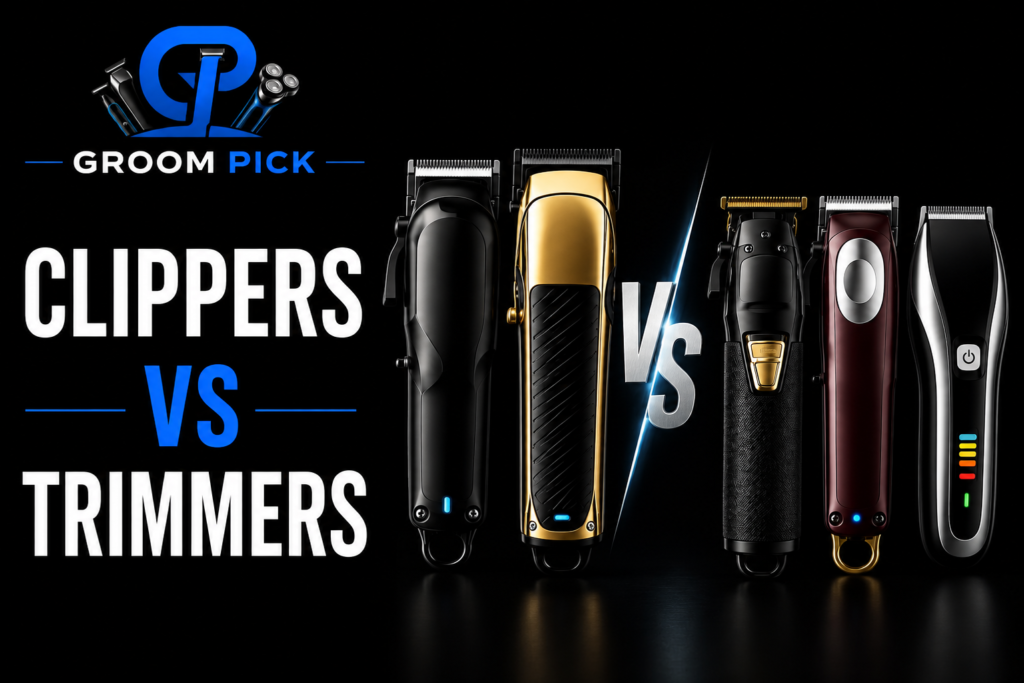
If you have ever looked at a hair clipper and a beard trimmer and wondered which one you actually need, you are not alone. They look similar, but they are built for different jobs.
The easiest way to understand Clippers vs Trimmers is to think about the amount of hair you want to remove. Clippers are the workhorses for haircuts, fades, tapers, buzz cuts, and bulk cutting. Trimmers are the detail tools for beard lines, hairlines, sideburns, necklines, and small touch-ups.
Neither tool is automatically better. The right choice depends on what you are trying to groom.
If you cut your own hair, a clipper will probably be more useful. If you mainly maintain a beard, a trimmer may be enough. If you want clean haircuts and sharp finishing work, having both gives you more control.
Disclosure: This post contains affiliate links. If you purchase through these links, I may earn a small commission at no extra cost to you.
Table of Contents
TL;DR: Clippers vs Trimmers
If you want the short version, choose based on the job you do most often.
- Best for home haircuts: Wahl Chrome Pro
- Best complete haircut and trimming kit: Wahl Deluxe Chrome Pro
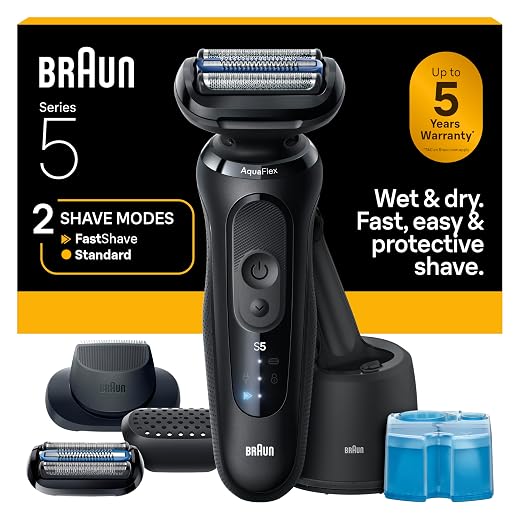
- Best all-in-one grooming: Braun Series 5 All-in-One Grooming Kit
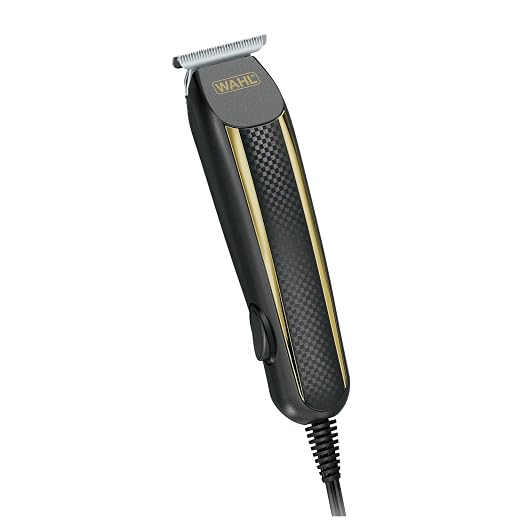
- Best for beard and edge detailing: Wahl Edge Pro
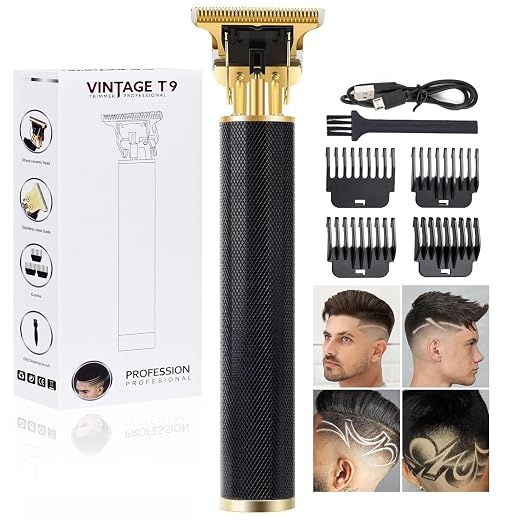
- Best budget trimmer: YOGINGO Professional Hair Trimmer
- Best affordable beard trimming: Elehomyou Beard Trimmer
- Best for close edging and lineups: Solati Zero-Gap T-Blade Trimmer
Clippers are designed for bulk cutting, haircuts, buzz cuts, fades, tapers, and thick hair. Trimmers are designed for precision work such as beard shaping, hairline edging, sideburns, mustaches, and necklines.
If you regularly cut your hair and maintain your beard, owning both a clipper and a trimmer is usually the most practical setup.




Clippers vs Trimmers Comparison Table
This table gives you the key difference at a glance.
Use it to decide which tool fits your haircut, beard, and everyday grooming routine.
| Product | Best For | Key Features | Pros | Cons | Recommendation |
|---|---|---|---|---|---|
| Braun Series 5 All-in-One Grooming Kit | All-around home grooming | Multi-purpose grooming system, cordless design, clipping and trimming functions | Versatile, convenient, multiple grooming uses | Less specialized than dedicated professional tools | Best for users wanting one kit for several grooming jobs |
| Wahl Chrome Pro Corded Clipper | Home haircuts | Corded operation, taper lever, multiple guards | Continuous power, useful for fades and haircuts, good guard selection | Cord limits movement | Best for regular home haircuts |
| Wahl Edge Pro | Beard and precision detailing | Detail-focused trimmer design | Good for hairlines, beards, mustaches, and necklines | Not designed for bulk cutting | Best for finishing and edge work |
| Wahl Deluxe Chrome Pro | Complete home haircut setup | Clipper, trimmer, taper lever, multiple guards | Combines bulk cutting and detailing | Larger kit, corded clipper | Best for users who want both tools |
| YOGINGO Professional Hair Trimmer | Budget grooming | Cordless rechargeable design, metal body | Affordable, portable, useful for basic trimming | Less established than major professional brands | Best for budget-conscious users |
| Elehomyou Beard Trimmer | Basic beard maintenance | Cordless design, six guards, USB Type-C charging, LED display | Affordable, convenient, rechargeable | Not ideal for heavy bulk cutting | Best for simple beard and hair maintenance |
| Solati Zero-Gap T-Blade Trimmer | Edging and lineups | T-blade, zero-gap design, cordless operation | Good for close detailing, edging, and outlines | Not a replacement for a full-size clipper | Best for precision finishing |
Clippers vs Trimmers: What Is the Difference?
Clippers and trimmers both use moving blades to cut hair, but their designs serve different purposes.
The easiest way to remember the difference is simple: clippers remove length, while trimmers create detail and shape.
A hair clipper usually has a wider cutting area and works with guards or guide combs. This makes it useful for cutting larger sections of hair quickly.
A trimmer normally has a narrower cutting area. That gives you better control around smaller areas such as the ears, mustache, beard, neckline, and hairline.
Think about painting a wall. A roller covers a large area quickly. A small brush lets you work around corners and edges. A clipper is closer to the roller, while a trimmer is closer to the small brush.
Clippers Are Made for Bulk Cutting
A clipper is usually the first tool you reach for when you have a lot of hair to remove.
You can use different clipper guards to control how much hair remains. That makes clippers useful for buzz cuts, short haircuts, fades, tapers, and removing bulk from thick hair.
A taper lever gives you another way to adjust the cutting length. This can be useful when blending two lengths together.
For example, imagine you are creating a short fade. You may start with a longer guard, move to a shorter guard, and use the taper lever to make small adjustments between lengths.
The current Wahl Chrome Pro Corded Clipper, for example, is supplied with multiple attachment guards and an adjustable taper lever. Wahl says the lever helps with in-between cutting lengths, blending, and fading.
That is the main strength of a clipper. It is designed to handle the bigger part of the haircut.
Trimmers Are Made for Precision
A trimmer comes into play when you need more control.
Imagine you have finished your haircut, but the hair around your ears looks untidy. You do not need to cut the whole head again. You need a narrow tool that can clean up that small area.
That is where a trimmer shines.
A beard trimmer can help shape the cheeks, mustache, and neckline. A T-blade trimmer can be useful for edging and outlining. A zero-gap trimmer can provide very close detailing when properly adjusted.
Trimmers are also useful for sideburns and hairline edging.
The key word is precision.
A trimmer lets you make small movements without trying to control a larger clipper around a small area.
Clippers and Trimmers Often Work Together
You do not always have to pick one.
In fact, a clipper and trimmer can work like two stages of the same haircut.
The clipper removes the bulk and creates the basic shape. The trimmer then cleans the edges and adds definition.
For example, you could use a clipper for the sides and back of a fade. Once the lengths are blended, you can use a trimmer around the hairline and neckline.
This approach is also useful for beards.
Use a clipper to reduce a long beard to a manageable length. Then use a trimmer to define the cheeks and neckline.
That is why asking which tool is better can sometimes be the wrong question.
The better question is: Which tool is better for the job I am doing right now?
What Is a Hair Clipper Used For?
A hair clipper is designed for larger cutting jobs where you need to remove noticeable amounts of hair.
It is especially useful when speed, coverage, and consistent length matter.
Full Haircuts
Clippers are a natural choice for home haircuts.
A guard lets you choose a cutting length, while the wider blade helps you cover the head more efficiently.
This makes a clipper useful for simple cuts such as a short back and sides, buzz cut, or basic one-length haircut.
If you are cutting someone else’s hair at home, a clipper also gives you more room to work through larger areas.
Buzz Cuts
A buzz cut is one of the simplest examples of a clipper’s job.
Choose the appropriate guard and move the clipper over the head in controlled passes.
You could use a trimmer, but the smaller blade would make the process slower. You would be doing a large job with a tool designed for small jobs.
A clipper is simply more practical.
Fades and Tapers
Fades require several lengths to blend into each other.
This is where guards and a taper lever become important.
The goal is not just to make the hair short. You want the transition between lengths to look smooth.
For example, the bottom of a fade may be very short while the hair higher up is longer. You gradually move between lengths rather than jumping directly from one extreme to another.
A clipper gives you the coverage needed for this process.
The trimmer can then help clean the final outline.
Thick and Long Hair
Thick hair can take longer to remove because there is simply more hair for the blades to work through.
A clipper is generally the more practical choice for bulk hair removal.
This also applies to long beards.
If you have a full beard and want to take off a significant amount of length, a clipper can help you reduce the bulk before switching to a beard trimmer.
What Is a Trimmer Used For?
A trimmer is designed for smaller areas and more detailed grooming.
It is the tool you reach for when a few small details can make the whole haircut or beard look cleaner.
Beard Shaping
A beard trimmer can help you control the overall shape of facial hair.
You can use it around the cheeks, jawline, mustache, and neckline.
For a short beard, a trimmer may be the grooming tool you use most often.
You can quickly clean up stray hairs without setting up a full haircut routine.
Hairline Edging
Your hairline is a small area, but it can have a big effect on how a haircut looks.
A trimmer gives you more control when cleaning the forehead, temples, and areas around the ears.
The goal does not always need to be an extremely sharp edge. A natural-looking hairline can often look better than pushing the line farther back.
Small, controlled movements are important.
Neckline and Sideburns
The neckline is another area where a trimmer makes sense.
You can clean stray hairs and create a consistent outline without using a large clipper.
Sideburns also benefit from precision.
When trimming both sides, stop and compare them instead of cutting continuously. A few extra seconds of checking can prevent an uneven result.
Mustache and Small Details
The mustache is another example of where a narrow blade can be useful.
You need to work close to the nose and mouth, so control matters.
The same applies to small areas around the ears and facial hair.
This is where precision trimming separates a trimmer from a traditional clipper.
What Is a Clipper Shave?
A clipper shave generally means using a clipper to cut hair very short rather than removing it completely from the skin.
That is different from a traditional razor shave or a close finish from a foil shaver.
A clipper cuts the hair close, but some stubble usually remains. A shaver is designed to work closer to the skin.
Think about mowing grass. A lawn mower cuts the grass very short, but it does not remove every blade down to the soil. A close shave aims for a much smoother surface.
This difference matters if you want a particular appearance.
If you like a little visible stubble, a close clipper cut may be exactly what you want.
If you want a smoother skin finish, a dedicated foil shaver may be more suitable.
The choice can also depend on skin comfort. Some people prefer an electric grooming tool because they find traditional shaving more irritating.
Clippers vs Trimmers: Which Should You Use?
The best tool depends on the job in front of you.
Instead of thinking about which machine is better overall, match the tool to the task.
| Grooming Job | Best Tool | Main Reason |
|---|---|---|
| Full haircut | Clipper | Covers larger areas |
| Buzz cut | Clipper | Removes hair quickly and evenly |
| Fade | Clipper | Handles multiple cutting lengths |
| Taper | Clipper | Taper lever provides extra control |
| Thick hair | Clipper | Better for bulk removal |
| Long beard | Clipper | Removes bulk efficiently |
| Beard shaping | Trimmer | Better precision |
| Hairline | Trimmer | Easier edge control |
| Neckline | Trimmer | Better for small areas |
| Mustache | Trimmer | Narrower cutting area |
| Sideburns | Trimmer | Easier to control |
| Skin-close finish | Shaver | Designed for close finishing |
This table also explains why many grooming routines use both tools.
A clipper handles the heavy work. A trimmer handles the finishing work.
If You Are Cutting Your Own Hair
Start with a clipper if your main goal is cutting the hair on your head.
A good clipper with guards gives you more options for different lengths.
If you also want clean edges, add a trimmer later.
If You Mainly Maintain a Beard
A trimmer may be enough if your beard is already short.
You can use it to maintain length, shape the beard, clean the neckline, and tidy the mustache.
If your beard is long, a clipper can make the first stage easier.
If You Want to Create Fades
A clipper should be your main tool.
Fades require controlled changes in length, so guards and the taper lever can be useful.
A trimmer is then helpful for the final outline.
Best Products for Clippers vs Trimmers
The products below cover different grooming needs, from complete home haircut kits to affordable precision trimmers.
The product information here is based on the supplied research. Prices, availability, ratings, and specifications can change, so verify current information before publication or purchase.
Braun Series 5 All-in-One Grooming Kit
The Braun Series 5 All-in-One Grooming Kit is designed for people who want several grooming functions in one system. The supplied listing describes it as a cordless kit with hair clipping, beard trimming, body grooming, and a smooth-shave head.
It makes the most sense for someone who values convenience and wants one kit for different grooming tasks rather than a dedicated professional clipper.
Pros
- Versatile all-in-one design
- Cordless format
- Combines clipping and trimming functions
- Includes a smooth-shave head according to the supplied listing
- Useful for general home grooming
Cons
- May not replace a dedicated professional clipper
- Multiple attachments require more organization
- Current accessories should be checked before buying
Braun Series 5 Electric Shaver for Men, Wet & Dry Foil Razor, 4-in-1 Clean & Charge Center, Precision Trimmer Attachment, Replacement Shaver Head, Black 5165ps
Wahl Chrome Pro Corded Clipper
The Wahl Chrome Pro is designed around home haircutting.
Its corded setup means you do not need to worry about recharging halfway through a haircut. It also includes an adjustable taper lever and multiple guards, making it useful for different short hairstyles and blending work.
This is a sensible choice for someone who wants a traditional home haircutting clipper rather than an all-in-one grooming device.
Pros
- Corded operation provides continuous power
- Adjustable taper lever
- Multiple attachment guards
- Useful for home haircuts
- Suitable for blending and fading
- Includes useful haircutting accessories
Cons
- Cord limits movement
- Less convenient for travel
- Not designed as a dedicated precision trimmer
Wahl USA Chrome Pro Corded Clipper Complete Haircutting Kit for Men
Wahl Edge Pro
The Wahl Edge Pro is aimed more at precision work than bulk cutting.
It is designed for areas such as beards, mustaches, hairlines, and stubble. That makes it a useful finishing tool when you already have a clipper for the main haircut.
For example, you can use a clipper to reduce the hair and then reach for the Edge Pro to clean the neckline and sideburns.
Pros
- Designed for precision touch-ups
- Useful for beard detailing
- Suitable for hairlines and necklines
- Useful for edging
- Corded operation provides continuous power
Cons
- Not intended to replace a full-size clipper
- Cord reduces portability
- Better for detailing than bulk cutting
Wahl Edge Pro Bump Free Corded Beard Trimmer & Touch-Up Groomer for Men
Wahl Deluxe Chrome Pro Complete Hair and Trimming Kit
The Wahl Deluxe Chrome Pro combines a full-size clipper with a separate trimmer, which makes it useful for people who want a more complete home grooming setup.
The supplied research lists a corded clipper, battery-powered mini trimmer, taper lever, self-sharpening blades, and multiple attachment combs. Wahl also describes the clipper as having a heavy-duty motor and being designed for thick hair.
The main advantage is convenience. You can use one tool for the haircut and another for the finishing details.
Pros
- Combines a clipper and trimmer
- Multiple attachment combs
- Adjustable taper lever
- Useful for home haircutting
- Suitable for bulk cutting and detailing
- Includes maintenance accessories
Cons
- Larger kit needs more storage space
- Corded clipper limits movement
- Included trimmer is not a specialist professional detailing tool
Wahl Clipper USA Deluxe Corded Chrome Pro Complete Hair & Trimming Kit
YOGINGO Professional Hair Trimmer
The YOGINGO Professional Hair Trimmer is the budget-focused option in the supplied product list.
The supplied listing describes it as a cordless rechargeable tool with a metal body for beard trimming and hair cutting.
It can appeal to someone who wants a simple grooming tool without spending heavily on a premium professional setup.
However, budget equipment should be judged by the work you expect it to perform. A basic trimmer may be fine for occasional maintenance but may not be the right choice for someone doing frequent fades or heavy haircutting.
Pros
- Budget-friendly
- Cordless design
- Rechargeable
- Suitable for basic beard and hair trimming
- Metal-body construction according to the supplied listing
Cons
- Less established than major professional grooming brands
- May not be ideal for demanding haircut routines
- Current specifications should be verified before purchase
YOGINGO Professional Hair Trimmer for Men, Beard Trimmer Hair Clippers for Men, Cordless Rechargeable Hair Trimmer Metal Body Cutting Grooming Kit,Beard...
Elehomyou Beard Trimmer
The Elehomyou Beard Trimmer is another inexpensive cordless option.
The supplied product listing describes six guards, USB Type-C charging, and an LED display.
That makes it more attractive to someone who wants everyday convenience rather than professional barber equipment.
It can work for simple beard maintenance, but its trimmer design still makes it less suitable for removing large amounts of hair compared with a full-size clipper.
Pros
- Affordable cordless design
- Six guards listed in the supplied information
- USB Type-C charging
- LED display
- Suitable for basic beard and hair maintenance
Cons
- Not the strongest choice for professional-style haircuts
- Less efficient for heavy bulk cutting
- Current specifications should be checked before purchase
Solati Zero-Gap T-Blade Trimmer
The Solati Zero-Gap T-Blade Trimmer is aimed at close detailing.
The supplied listing describes a cordless rechargeable design with a T-blade and zero-gap positioning. It is marketed for edging, outlining, beard trimming, and close detailing.
This makes it more relevant to someone who already owns a clipper and wants a dedicated tool for sharp finishing work.
Zero-gap settings can bring the blade very close to the skin, so careful handling is important.
Pros
- T-blade design suits precision work
- Useful for edging and lineups
- Cordless rechargeable design
- Designed for close detailing
- Useful for beard and hairline cleanup
Cons
- Does not replace a full-size clipper
- Very close blade settings require careful handling
- Current blade and accessory details should be verified
How to Choose Between a Clipper and Trimmer
Choosing becomes easier when you stop comparing machines and start thinking about your grooming routine.
Ask yourself what you do most often. The answer will usually tell you which tool should come first.
Think About Your Hair Length
If you regularly remove a lot of hair, choose a clipper.
If your hair is already short and you mainly clean the edges, choose a trimmer.
For example, cutting a grown-out haircut down to a short style is a clipper job. Cleaning the neckline a week later is a trimmer job.
Think About Your Beard
A longer beard can benefit from a clipper when you need to remove bulk.
Once the beard reaches the length you want, a trimmer becomes more useful for shaping.
You can use the clipper like the rough-cutting tool and the trimmer like the finishing tool.
Think About Fades
Fades are easier to approach with a clipper because you need to work through several lengths.
The right clipper guards, taper lever, and technique all matter.
The trimmer can then clean the edges.
Do not expect a trimmer to magically create a professional fade. The tool helps, but technique is just as important.
Think About Corded vs Cordless
Corded clippers have one obvious advantage: you do not have to stop because the battery is empty.
Cordless tools give you more freedom to move.
For quick beard maintenance, cordless can be very convenient. For long haircut sessions, some users may prefer the consistency of corded operation.
Neither option is automatically better.
Think About Ergonomics
A grooming tool can look excellent on paper but still feel uncomfortable in your hand.
Weight matters.
Grip matters.
Button placement matters.
This becomes especially important when cutting your own hair because you may hold the tool for several minutes while working from awkward angles.
Can You Use a Trimmer Instead of a Clipper?
You can use a trimmer to cut hair, but that does not make it the best replacement for a clipper.
A trimmer is designed around precision. A clipper is designed around coverage and bulk removal.
Imagine trying to sweep an entire room with a small paintbrush. It is technically possible, but the tool is not designed for the job.
The same principle applies here.
If you want to remove a large amount of hair, use a clipper.
If you want to clean a small area, use a trimmer.
A trimmer makes sense for hairline edging, beard shaping, sideburns, mustaches, and neckline cleanup.
A clipper makes more sense for buzz cuts, fades, tapers, thick hair, and bulk cutting.
Can You Use Clippers for Beard Grooming?
Yes, especially when the beard is long.
A clipper can reduce the overall length before you use a trimmer to shape the edges.
For example, suppose your beard has grown several inches longer than you want. Starting with a tiny trimmer would take more time. A clipper with a suitable guard can remove the bulk first.
After that, the trimmer can clean the cheek line and neckline.
For a short beard, however, a dedicated beard trimmer may be easier to control.
Clipper vs Trimmer vs Shaver
Clippers, trimmers, and shavers all cut hair, but they finish at different stages.
Clippers handle length. Trimmers handle detail. Shavers handle the closest finish.
A hair clipper is useful for removing bulk and creating the basic haircut.
A T-blade trimmer can then define edges and outlines.
A foil shaver is designed for a closer finish against the skin.
This three-tool approach is common because each machine has a specific job. Trying to make one tool perform every task can create unnecessary compromises.
For example, if you want a short fade with a clean neckline, the clipper can create the fade while the trimmer handles the neckline.
If you want a smooth finish afterward, a shaver may be added.
For additional information about reducing irritation when shaving, you can read this related Cleveland Clinic guide to shaving.
Clippers vs Trimmers for Common Grooming Problems
Real-life examples make the difference easier to understand.
You have six weeks of hair growth and want a short haircut. Use a clipper.
Your haircut looks good but the neckline is messy. Use a trimmer.
Your beard is too long and you want to remove most of the length. Start with a clipper.
Your beard length is fine but the cheek line looks uneven. Use a trimmer.
You want a buzz cut. Use a clipper.
You want to clean the hair around your ears. Use a trimmer.
You want a very close skin finish. Consider a shaver.
The pattern is simple.
Use the clipper for the big changes and the trimmer for the small changes.
Maintenance Tips for Clippers and Trimmers
Good maintenance does not need to be complicated.
A few simple habits can help keep your grooming tools cleaner and ready for the next haircut.
Clean the Blades
Hair can collect between the blades after every use.
Use the supplied cleaning brush to remove loose hair.
Do not assume every machine is washable. Check the manufacturer’s instructions before putting water near the tool.
Oil the Blades When Required
Blade oil helps reduce friction between the moving parts.
Wahl recommends regular blade oiling for its compatible clipper systems and advises wiping away excess oil after application.
Follow the maintenance instructions supplied with your specific clipper or trimmer.
Store the Tool Correctly
Keep the tool somewhere dry and protected.
If your kit includes a storage case, use it.
Avoid leaving blades exposed in a drawer where they can hit other objects.
Look After the Battery
For cordless tools, avoid treating the battery as an afterthought.
Use the manufacturer’s charging instructions and avoid storing the device in extreme temperatures.
If the battery eventually loses capacity, check whether replacement parts or service are available for that specific model.
Choosing the Right Tool for Your Grooming Routine
The best grooming setup does not have to be complicated.
It just needs to match the work you actually do.
If you cut your own hair, a reliable hair clipper should probably be your starting point.
If you maintain a beard, a beard trimmer may be more useful.
If you create fades and want clean finishing work, having a clipper and a T-blade trimmer gives you more control.
If you want one device for several grooming tasks, an all-in-one system such as the Braun Series 5 may make more sense.
If you want a traditional home haircut setup, the Wahl Chrome Pro is a more focused option.
And if you already own a clipper but struggle with edges, adding a dedicated trimmer can make a noticeable difference.
Which Grooming Tool Should You Buy for Your Needs?
There is no single winner because clippers and trimmers solve different problems.
For full haircuts, buzz cuts, fades, tapers, thick hair, and bulk cutting, choose a clipper.
For beard shaping, hairline edging, sideburns, mustaches, and neckline cleanup, choose a trimmer.
For both jobs, a combination is usually the most flexible choice.
The Wahl Chrome Pro is a sensible home haircut option when you want a corded clipper with guards and a taper lever. The Wahl Deluxe Chrome Pro makes more sense if you want a clipper and trimmer together.
For general grooming, the Braun Series 5 All-in-One offers a broader approach based on the supplied product information.
The Wahl Edge Pro, YOGINGO, Elehomyou, and Solati options are more focused on trimming and detail work, with different approaches to price, portability, and precision.
The simplest rule is worth remembering:
Clipper for length. Trimmer for detail. Shaver for the closest finish.
Once you understand that difference, choosing the right grooming tool becomes much easier.
Frequently Asked Questions
These questions cover the most common situations buyers face when deciding between the two tools.
Are clippers better than trimmers?
Neither is automatically better. Clippers are better for bulk cutting, haircuts, fades, tapers, and longer hair. Trimmers are better for beard shaping, edging, hairlines, necklines, and precision work. Your grooming routine should determine which one you buy first.
Can a trimmer cut hair?
Yes, but it is usually better for shorter hair and smaller areas. A trimmer can cut hair, but its narrower blade makes it less efficient for large amounts of hair. For a full haircut or heavy bulk removal, a clipper is normally the more practical option.
Can you use clippers on a beard?
Yes. Clippers are useful for reducing the length and bulk of a long beard. After reducing the overall length, you can switch to a trimmer for the cheek line, neckline, mustache, and other details.
Do I need both a clipper and a trimmer?
You do not always need both. If you only cut your hair, a clipper may be enough. If you mainly maintain a short beard, a trimmer may be all you need. If you regularly cut hair and want sharp finishing work, owning both provides more flexibility.
Which is better for fades, clippers or trimmers?
Clippers are generally the better tool for creating a fade because they are designed for removing bulk and working through different lengths. Guards and a taper lever can help with blending. A trimmer is then useful for cleaning the final hairline and neckline.
Which is better for a clean hairline?
A trimmer is usually better because its narrower blade provides more control. A T-blade trimmer can be useful for edging and outlining. However, do not press too hard or repeatedly go over the same area, especially when using a very close blade setting.