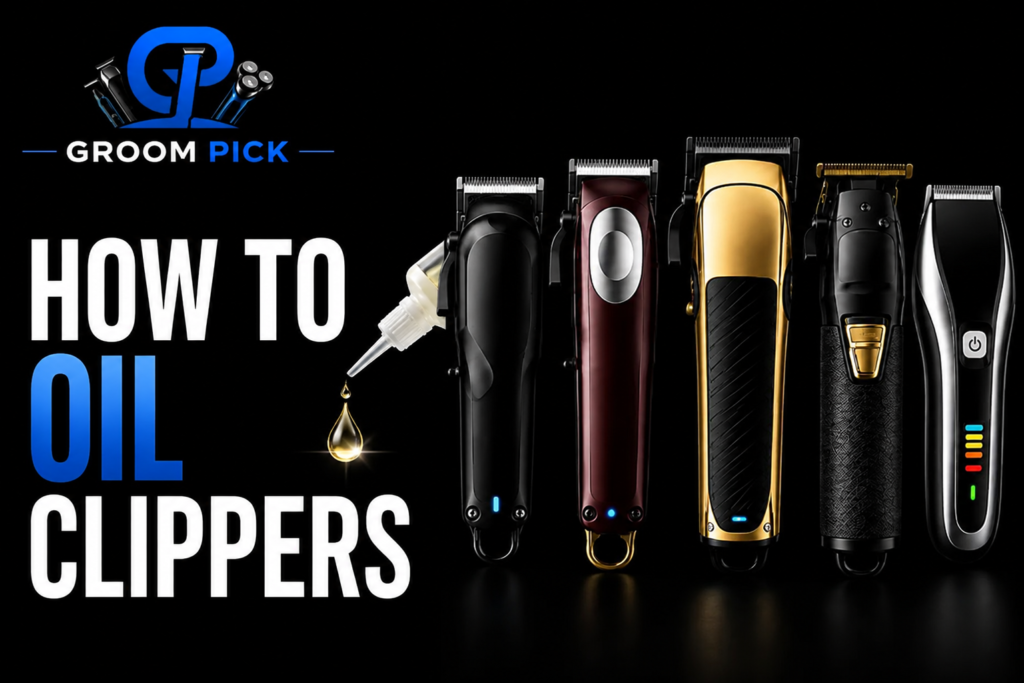
Clipper oiling is the simple process of applying a small amount of lubricant to the moving blades of hair clippers or trimmers. Regular oiling helps reduce friction, protect the blades from rust, keep the motor working smoothly, and improve cutting performance.
If your clippers are pulling hair, making more noise than usual, or feeling hot during use, a lack of lubrication may be part of the problem. The good news is that oiling clippers takes only a few minutes.
Key Takeaways
- Clean your clippers before applying oil.
- Use clipper or trimmer oil, not cooking oil or heavy household lubricants.
- Apply only a few drops.
- Put oil on the blade teeth and moving contact points.
- Run the clipper briefly to spread the oil.
- Wipe away excess oil before cutting hair.
- Oil more often if you use the clippers frequently.
- Never oil a clipper while it is running unless the manufacturer’s instructions specifically allow it.
Table of Contents
Quick Reference
| Item | Recommendation |
|---|---|
| Time needed | About 2–5 minutes |
| Oil needed | A few small drops |
| Best oil | Clipper blade oil |
| Main purpose | Reduce friction and protect blades |
| When to oil | Regularly and whenever blades become dry |
| Before oiling | Remove hair and debris |
| After oiling | Run briefly and wipe excess |
Why Do Clippers Need Oil?
Hair clippers contain blades that move rapidly against each other. This movement creates friction.
Without enough lubrication, the blades can become dry and develop more resistance. Over time, this may lead to:
- Dull or rough cutting
- Hair pulling
- Increased noise
- Excess heat
- Faster blade wear
- Rust or corrosion when moisture is present
- Reduced overall clipper performance
Oil creates a thin layer between the blade surfaces. This helps the moving parts glide more easily.
Think of clipper oil like lubricant for a bicycle chain. The goal is not to soak the parts. You only need enough to reduce friction.
What You Need
You do not need many supplies.
Basic supplies
- Hair clippers or trimmers
- Clipper oil
- Small cleaning brush
- Clean, dry cloth or paper towel
Many clippers come with a small bottle of oil and a cleaning brush. If yours did, that oil is usually the easiest choice.
What Kind of Oil Should You Use?
Use oil designed for hair clippers or electric trimmers.
Avoid replacing clipper oil with random oils from the kitchen or garage. Cooking oils can become sticky or leave residue. Heavy lubricants may also be unsuitable for small clipper blades.
The right oil is usually lightweight and made for precision moving parts.
How to Oil Clippers Step by Step
Clean the blades first, then apply a few small drops of clipper oil to the moving blade and contact points.
Run the clippers for a few seconds to spread the oil, then turn them off and wipe away any excess.
Step 1: Turn the Clippers Off
Switch the clippers off before cleaning or oiling them.
If they have a cord, unplug them. For cordless models, make sure the motor is not running.
This also gives the blades time to cool if you have just finished cutting hair.
Step 2: Remove Loose Hair
Use the cleaning brush to remove hair from the blade.
Brush around:
- The blade teeth
- The sides of the blade
- The area underneath the moving blade
- The clipper head
Do not rush this step. Oil applied over a thick layer of hair and debris will not work as well.
Step 3: Hold the Clippers Correctly
Hold the clipper so the blade is facing upward or according to the manufacturer’s instructions.
This makes it easier to place small drops exactly where they are needed.
Step 4: Apply Oil to the Blade
Place a small drop of clipper oil near each end of the blade and a few drops along the blade’s contact area.
A common pattern is:
- One small drop near the left side
- One small drop near the center
- One small drop near the right side
You can also apply a tiny amount to the moving contact points if your clipper manufacturer recommends it.
Do not flood the blade with oil.
Step 5: Turn the Clippers On Briefly
Turn the clippers on for a few seconds.
The moving blade will help spread the oil across the contact surfaces.
You do not need to run the clippers for a long time. A short burst is usually enough.
Step 6: Turn Them Off and Wipe the Blades
Turn the clippers off again.
Use a clean cloth or paper towel to remove excess oil from the outside of the blade.
The blade should have a light film of oil, not visible pools or drops.
Step 7: Store the Clippers Properly
Store your clippers somewhere clean and dry.
If the clipper came with a blade guard, use it when storing the device. This helps protect the blade from dust and accidental damage.
Where Exactly Should You Put Clipper Oil?
The most important areas are the surfaces where the moving and stationary blades rub against each other.
You can generally oil:
- Left side of the blade
- Center of the blade
- Right side of the blade
- Moving blade contact points
- Other lubrication points listed in the manufacturer’s instructions
Avoid pouring oil into the motor housing, electrical openings, charging port, or other areas that are not designed to receive lubricant.
A Simple Rule
Oil the blade, not the entire clipper.
If you are unsure about a specific lubrication point, check the manual for your model.
How Often Should You Oil Clippers?
There is no single schedule that works for every clipper.
A professional barber who uses clippers throughout the day may need to oil the blades several times during regular use. Someone who cuts hair at home once a week may need to oil them less often.
A practical approach is:
- Frequent professional use: Oil regularly during the workday and follow the manufacturer’s maintenance instructions.
- Several uses per week: Oil regularly as part of your cleaning routine.
- Occasional home use: Oil after cleaning and before storage when appropriate.
The best signal is the condition of the blades. If they look dry or cutting performance changes, check the blades and maintenance instructions.
Should You Oil Clippers Before or After Use?
Both can make sense, depending on the situation.
Before use: A light application can lubricate the blade before cutting.
After use: Oiling after cleaning helps leave the blade lubricated during storage.
For regular maintenance, cleaning the blades and applying a light amount of oil after use is a simple habit.
If you oil the blades before cutting, wipe away excess oil first. You do not want oily residue transferring to hair or skin.
What Happens If You Use Too Much Oil?
Using too much oil can create its own problems.
Excess oil can:
- Collect loose hair
- Attract dust and debris
- Make the blades greasy
- Leave residue on hair
- Make cleaning more difficult
If you accidentally use too much, do not panic. Turn the clipper off and wipe the blade thoroughly with a clean cloth.
A thin coating is enough.
Can You Oil Clippers Without Cleaning Them?
You can, but it is not the best maintenance method.
Oil works better when the blades are reasonably clean. Hair, skin particles, dust, and other debris can mix with oil and form buildup.
A better routine is:
Brush → Clean → Dry → Oil → Wipe → Store
If your clipper is designed to be washed, follow the manufacturer’s cleaning instructions and make sure the blade is completely dry before oiling.
Common Clipper Oiling Mistakes
Using too much oil, applying it to dirty blades, or using the wrong type of oil can cause buildup and reduce clipper performance.
Avoid oiling the motor or electrical parts, and always wipe away excess oil after lubricating the blades.
1. Using Too Much Oil
This is one of the most common mistakes.
You only need a few small drops.
2. Using the Wrong Oil
Cooking oil, motor oil, or other household products are poor substitutes for clipper oil.
Use a product intended for clipper or precision blade lubrication.
3. Oiling Over Hair Buildup
Oil does not replace cleaning.
Remove hair and debris first.
4. Forgetting to Wipe Excess Oil
Leaving visible oil on the blade can transfer residue to hair and skin.
5. Ignoring the Manufacturer’s Instructions
Different clippers have different designs. Some blades can be removed, washed, or adjusted, while others have specific maintenance requirements.
The manufacturer’s instructions should take priority.
6. Oiling the Motor
Do not pour oil into the motor or electrical components unless the manufacturer specifically instructs you to do so.
For most consumer clippers, the blade assembly is the main area that needs routine lubrication.
Troubleshooting: Clippers Still Not Cutting Well
If you oil your clippers and they still pull hair or cut poorly, oil may not be the main problem.
Check the following:
Blades Are Dirty
Hair buildup can prevent the blades from moving freely.
Clean them thoroughly.
Blades Are Dull
Oil reduces friction, but it cannot restore a blade that has become genuinely dull.
The blades may need sharpening or replacement.
Blades Are Misaligned
If the moving and fixed blades are not positioned correctly, cutting performance can suffer.
Follow the manufacturer’s blade-adjustment instructions.
The Clipper Is Overheating
Some heat is normal during use, but excessive heat can indicate friction, a dirty blade, a worn component, or another mechanical issue.
Stop using the clipper if it becomes unusually hot and check the manufacturer’s troubleshooting guidance.
The Blade Is Damaged
Bent, chipped, or heavily worn blades should not simply be covered with more oil. They may need replacement.
How to Clean and Oil Clippers
A simple maintenance routine can help keep your clippers working well.
Basic checklist
- Turn off and unplug the clipper.
- Let the blade cool if necessary.
- Brush away loose hair.
- Clean the blade according to the manufacturer’s instructions.
- Make sure the blade is dry.
- Apply a few small drops of clipper oil.
- Run the clipper briefly if appropriate.
- Turn it off.
- Wipe away excess oil.
- Store it in a clean, dry place.
Professional Tips for Better Clipper Maintenance
Clean your clippers regularly and apply a few drops of clipper oil to keep the blades smooth and reduce friction.
Avoid over-oiling, remove hair buildup, and store your clippers in a clean, dry place after each use.
Oil Little and Often
A small amount of oil applied regularly is usually better than a large amount applied only occasionally.
Clean Before Lubricating
Keeping the blade clean helps the oil do its job.
Watch for Changes
Pay attention to unusual sounds, heat, vibration, or hair pulling. These can be early signs that the blades need cleaning, adjustment, replacement, or professional service.
Keep Spare Blades Clean
If you own multiple blade sets, clean and maintain each one rather than leaving unused blades dirty.
Follow the Manual
Your specific clipper model may have different instructions. Manufacturer guidance should always come first.
Clipper Oil vs. Other Lubricants
| Lubricant | Good choice for clippers? | Reason |
|---|---|---|
| Clipper blade oil | Yes | Designed for clipper blades |
| Sewing machine oil | Depends on manufacturer guidance | Lightweight, but not specifically made for every clipper |
| Cooking oil | No | Can become sticky and leave residue |
| Motor oil | No | Too heavy and unsuitable for most clipper blades |
| WD-40-style water-displacing products | Not a replacement for clipper oil | Designed for different purposes |
| Hair products | No | Not designed to lubricate metal blade surfaces |
When Should You Replace Clipper Blades?
Oiling helps maintain blades, but it does not make them last forever.
Consider replacing a blade when it:
- Remains dull after proper cleaning
- Pulls hair repeatedly
- Has visible damage
- Has significant rust or corrosion
- Does not stay properly aligned
- Produces poor results despite correct maintenance
The exact replacement interval depends on the blade type, frequency of use, cleaning routine, and manufacturer recommendations.
A Simple Maintenance Routine
If you want an easy routine to remember, use this:
After cutting: Brush away hair.
When needed: Clean the blade according to the manufacturer’s instructions.
After cleaning: Dry the blade completely.
Then: Add a few drops of clipper oil.
Finally: Run briefly, turn off, wipe excess oil, and store.
This routine is simple enough to become a habit.
Frequently Asked Questions
What is the best oil for hair clippers?
The best choice is usually a lightweight oil specifically made for hair clippers and trimmers. Follow your clipper manufacturer’s recommendation if one is provided.
Is clipper oil necessary?
Yes, regular lubrication is an important part of clipper maintenance. It helps reduce friction between moving blade surfaces and can support smoother operation.
Can I use baby oil on my clippers?
It is better to use oil designed for clipper blades. Baby oil is not specifically formulated for the mechanical demands and maintenance needs of clipper blades.
Can I oil clippers while they are running?
Do not apply oil to a running clipper unless the manufacturer’s instructions specifically tell you to. The safer routine is to apply oil with the clipper switched off, then run it briefly to distribute the lubricant.
Should I oil clippers after washing them?
If your clipper is designed to be washed, follow the manufacturer’s cleaning instructions. Once the blade is completely dry, a light application of suitable clipper oil may be appropriate.
Does oil make clipper blades sharper?
No. Oil does not sharpen a blade. It reduces friction and helps the blade move smoothly. A genuinely dull or damaged blade may need sharpening or replacement.
How to Oil Clippers for Better Performance
Oiling clippers is a quick maintenance step that helps keep clipper blades moving smoothly. To oil clippers properly, clean the blades first, use the correct clipper oil, apply only a few small drops, run the clipper briefly, and wipe away any excess oil.
The biggest mistake when oiling hair clippers is using too much oil. A thin layer is enough to reduce friction and keep the blades working properly. Too much oil can attract hair, dust, and dirt, which may cause buildup around the blades.
If your clippers still pull hair, overheat, make unusual noises, or perform poorly after cleaning and oiling, the problem may be a dull blade, incorrect blade alignment, physical damage, or another mechanical issue. Oiling cannot fix a damaged or worn-out blade.
For the best results, make how to oil clippers part of your regular maintenance routine. Clean the blades regularly, apply clipper oil correctly, store the clippers in a clean and dry place, and always follow the maintenance instructions provided for your specific clipper model.